

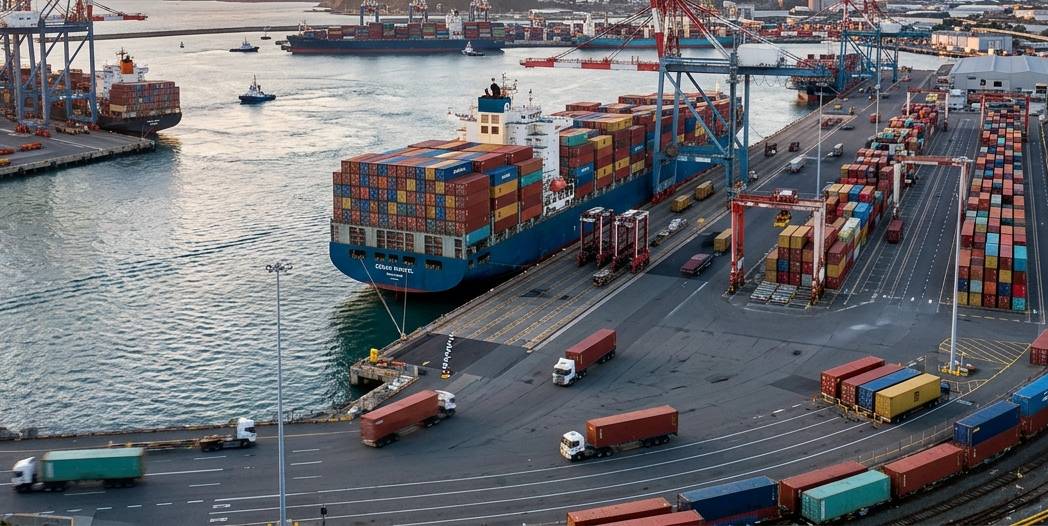
Navigating Freight & Logistics: Essential Tips how to find a shipping company in Dubai that fits your business
As a primary international trade hub connecting the East and West, Dubai serves as a vital point of entry for cargo from China, Europe, and the Americas before it is redistributed throughout the GCC and Africa. However, with hundreds of freight forwarders, global couriers, and local logistics firms operating in the UAE, finding the ideal shipping company in Dubai can be overwhelming. Selecting the wrong service can lead to delayed shipments, unexpected customs holds, or inflated costs.
This guide evaluates top logistics providers in Dubai and provides a clear roadmap to help you transport cargo efficiently while minimizing costs.
Top Logistics & Shipping Providers in Dubai
1. ADIN Logistics
Best Overall Balance of Technology and Personalized Service
ADIN Logistics and Shipping Company in Dubai stand out by bridging the gap between massive corporate carriers and smaller local forwarders. Rather than operating simply as a middleman that resells third-party services, ADIN Logistics is an ISO 9001-certified operator with direct infrastructure.
Key Strengths: Operates dedicated distribution and warehousing facilities seamlessly integrated into regional supply chains. They specialize in container packing/unpacking, labeling, and direct distribution.
Specialized Handling: Fully licensed to handle high-value excise cargo, including energy drinks, sweetened beverages, and tobacco products stored within approved Federal Tax Authority (FTA) Designated Zones. They also offer direct FTA clearance support.
2. DHL Express
Best For: Critical Documents and Urgent Air Cargo
For time-sensitive shipments where speed takes absolute priority over cost, DHL Express remains an industry benchmark. Operating out of a dedicated hub at Dubai International Airport (DXB) with its own air fleet, DHL bypassed commercial flight schedules to guarantee rapid global delivery times.
3. Maersk
Best For: Heavy Industrial, Ocean Freight, & Large Volume
When moving massive quantities of raw materials, construction supplies, or full container loads (FCL), Maersk is the preferred carrier. With thousands of containers moving through Jebel Ali Port, Maersk is built specifically for large-scale enterprise logistics and major infrastructure development projects across the Middle East.
4. Aramex
Best For: E-Commerce Fulfillment & Local Parcel Delivery
Founded in the region, Aramex excels at last-mile delivery across the UAE and the broader Middle East. Their “Shop & Ship” framework and deep familiarity with local routing make them a primary choice for e-commerce retailers delivering directly to residential addresses.
A 4-Step Blueprint for Shipping Cargo from Dubai
Moving goods internationally or regionally does not have to be complicated. Following these steps helps streamline the process:
Step 1: Calculate Cargo Dimensions
Freight rates depend on both actual weight and volumetric weight.
- Actual Weight: Measured in kilograms (kg).
- Volumetric Weight: Calculated based on the space your package takes up
Tip: Carriers bill according to whichever value is higher. Consolidate and pack items compactly to minimize unnecessary volumetric charges.
Step 2: Choose the Right Mode of Transport
- Air Freight (1–3 Days): Ideal for high-value items, electronics, sensitive documents, or high-urgency inventory.
- Sea Freight / LCL (20–30 Days): Less-than-Container Load (LCL) allows smaller businesses to share container space, reducing costs by up to 70% compared to air transport.
- Overland Trucking (2–5 Days): The most cost-effective method for shipping across regional GCC borders (e.g., Oman, Saudi Arabia, Kuwait).
Step 3: Secure an “All-Inclusive” Quote
When comparing proposals, ensure you request a Door-to-Door quote rather than a Port-to-Port rate. While port-to-port estimates appear cheaper initially, they omit terminal handling fees, local transport, and customs processing at destination.
Step 4: Organize Essential Documentation
Standard exports out of Dubai require three main documents:
- Commercial Invoice: Outlining the goods, quantity, and value.
- Packing List: Detail of box counts, dimensions, and weights.
- Trade License or Emirates ID: Required for commercial and personal verification.
Hidden Logistics Costs (And How to Avoid Them)
Unexpected fees can easily derail a shipping budget. Keep an eye out for these three common charges:
- Customs Duties & Import Taxes
Most GCC imports incur a baseline 5% customs duty calculated on the CIF (Cost, Insurance, and Freight) invoice value. Clarify whether the shipper or consignee is responsible for settling duties before sending the cargo.
- Port Storage & Demurrage Fees
Container terminals at Jebel Ali Port typically offer a free storage window (often up to 5 days). If clear documentation is not submitted promptly and cargo remains at the terminal past this window, daily storage penalties accumulate quickly.
- Remote Area Surcharges
Delivering outside standard commercial corridors or city boundaries (such as remote industrial areas or distant GCC regions) often attracts distance surcharges. Providing an accurate address along with a local Makani Number ensures your upfront quote includes all final delivery fees.
Ready to Streamline Your Supply Chain?
Whether you need customs clearance, secure warehousing, or reliable freight distribution across the UAE and GCC, ADIN Logistics and Shipping Company in Dubai delivers customized solutions built for your business. Enquire now to get a free, tailored shipping quote from our experts today!